
Can dryer lint cause allergies?
You pull a clump of lint from the lint trap and start sneezing. Or your family seems to have more congestion and itchy eyes after doing laundry. Those are real clues that dryer lint and a clogged dryer vent can make allergy problems worse.
How lint triggers allergies
Dryer lint is not just fabric fibers. It collects hair, dust, pollen, skin flakes, and tiny mold spores. In humid places like Pooler, GA, those spores can survive and grow in ducts that stay damp. When the dryer runs, warm air can blow those particles back into your home through gaps around the dryer or through a poorly vented system. That breathing hot, dusty air can trigger sneezing, itchy eyes, coughing, congestion, and worse symptoms in people with asthma or allergic rhinitis.
Signs lint is affecting your indoor air
– Laundry takes longer to dry
– Dryer feels hotter than usual
– A musty or burning smell during drying
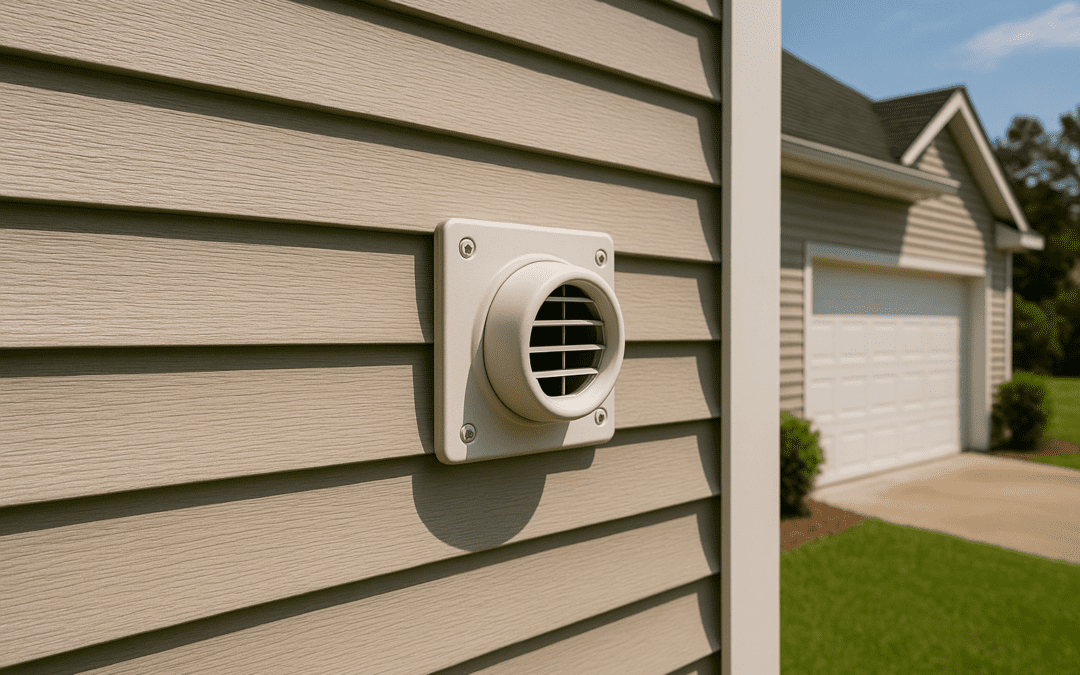
– Lint escaping around the dryer cabinet or vent hood
– More sneezing, watery eyes, or coughing after laundry day
If you see any of these, the vent probably needs attention.
Practical steps to reduce allergy risk
– Clean the lint trap every single load. It cuts down most loose fibers.
– Vacuum around the lint trap and behind the dryer monthly to pick up escaped dust.
– Keep the dryer area dry. Wipe up spills and make sure the vent flap outside opens and closes.
– Use smooth metal ducting instead of flexible foil or plastic. Smooth ducts move air and lint out more efficiently.
– Replace long, convoluted vent runs when possible. Shorter, straighter runs reduce buildup.
When to call a pro
Even with good habits, lint and debris still build up deep in ductwork. For homes in Pooler, GA, where humidity and pollen are common, having a professional dryer vent cleaning every 12 months is a smart idea. Homes with large families, pets, or long vent runs should consider cleaning every 6 to 12 months.
LowCountry Exterior Cleaning Pros offers professional Dryer Vent Cleaning that removes built-up lint and checks the vent for mold, blockages, and damage. That not only lowers allergy triggers but also cuts fire risk and helps your dryer run more efficiently.
For a safer, cleaner laundry room, visit lowcountryexteriorcleaningpros.com to learn more or to schedule a dryer vent cleaning.